The Ultimate Quality Standard for Fasteners: Optical Sorting for Nuts & Bolts
The High Stakes of Small Parts Fasteners hold the modern world together. From the structural integrity of an electric vehicle chassis to the delicate assembly of consumer electronics, nuts, bolts, and screws are the unsung heroes of manufacturing.
Because they are produced in massive volumes—often millions of pieces per day—fastener suppliers face a unique challenge: How do you guarantee 100% quality when checking every single part by hand is mathematically impossible?
In industries like automotive and aerospace, Original Equipment Manufacturers (OEMs) demand strict Zero-PPM (Parts Per Million) defect rates. A single defective thread can jam an automated robotic assembly arm, shutting down a production line and costing the supplier thousands in chargebacks.
To meet these exacting standards, manufacturers are turning to Automated Optical Sorting Machines to inspect their hardware. Let’s explore how vision technology tackles the three most critical fastener defects: thread damage, head cracks, and plating issues.
1. Thread Detection: Precision at High Speeds
A fastener is only as good as its thread. If the pitch is wrong, or the thread is damaged, the bolt won’t engage.
Traditional thread checking requires a worker to manually screw a part into a “Go/No-Go” ring gauge. This is incredibly slow and prone to human fatigue. Our automated sorting machines replace this physical process with high-speed, non-contact digital metrology.
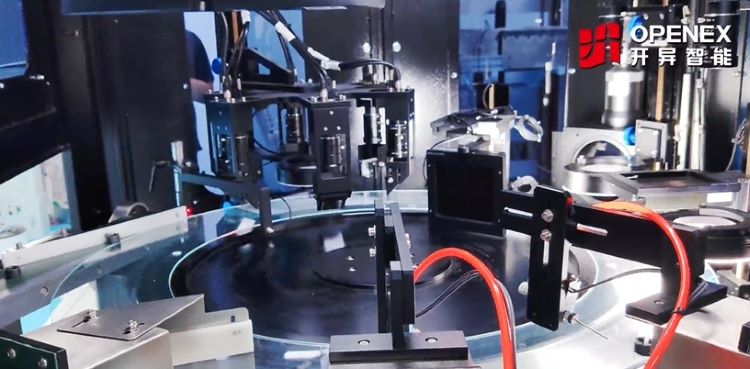
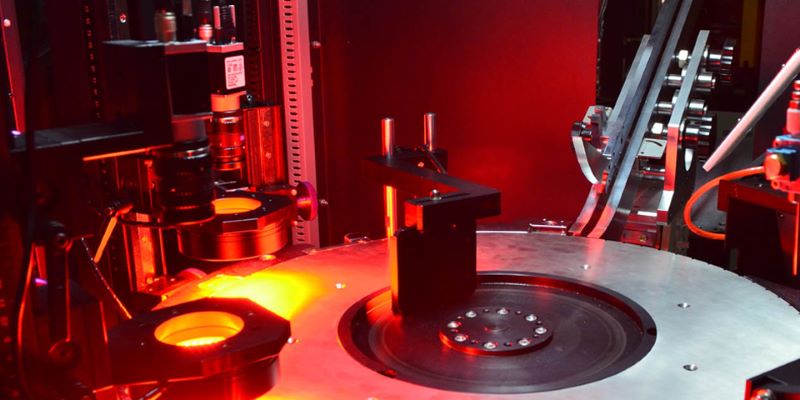
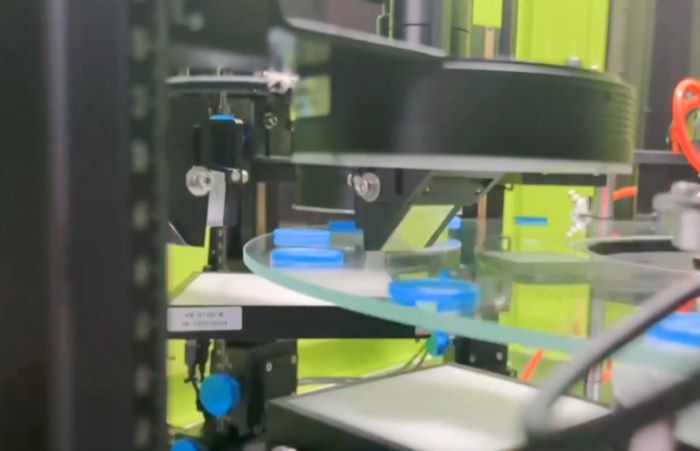
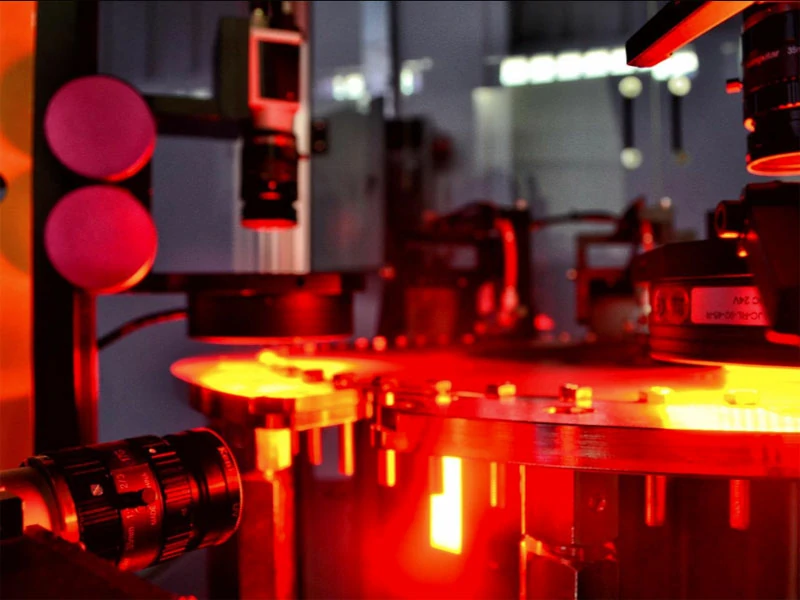
As the bolt moves along the high-transparency glass plate table, horizontally mounted side cameras capture a high-resolution silhouette of the part. The software instantly analyzes the profile to verify:
- Major and Minor Diameters: Ensuring the bolt isn’t too thick or too thin.
- Thread Pitch: Verifying the exact distance between threads.
- Damaged or Missing Threads: Detecting “bruised” threads caused by tumbling or collisions during the manufacturing process.
- Thread Angle and Runout: Ensuring the thread transitions smoothly to the shank.
Because the system uses 360-degree vision, it can perform these complex calculations on up to 1,000 pieces per minute, ensuring that every fastener heading to the packaging line will thread perfectly.
2. Head Cracks: Catching Micro-Fractures
Most bolts and screws are manufactured using cold heading or forging processes. This immense pressure can occasionally cause stress fractures or micro-cracks in the head of the fastener. If a cracked bolt makes it into a final product, it can shear off under torque, leading to catastrophic failure.
Detecting these cracks with the naked eye is notoriously difficult, especially on shiny or oily parts.
This is where the dual power of surface defect detection and dimensional measurement truly shines. Openex machines utilize specialized Top Cameras paired with low-angle or dome LED lighting. This specific lighting configuration casts shadows into any microscopic crevices, making head cracks stand out as stark, high-contrast lines to the vision software.
Beyond cracks, the top cameras also inspect for:
- Drive Recess Defects: Ensuring the Phillips, Torx, or Hex drive is perfectly formed and free of metal burrs.
- Head Diameter and Concentricity: Ensuring the head is perfectly centered on the shank.
3. Plating Issues & Mixed Parts
After machining, fasteners often undergo plating, coating, or heat treatment to provide corrosion resistance and strength. Unfortunately, this final step is a common source of defects.
Using high-fidelity color cameras, the optical sorting machine inspects the entire surface of the nut or bolt for aesthetic and chemical flaws:
- Plating Defects: Identifying missing coating, uneven plating, or unwanted rust spots.
- Foreign Material: Detecting oil stains or residual metal shavings from the threading process.
- Mixed Parts (The Ultimate Sin): Perhaps the most critical function of color and size sorting is preventing mixed parts. Dropping a single M6 bolt into a shipment of M8 bolts can cause an OEM line stoppage. The optical sorter acts as an impenetrable firewall, ensuring 100% uniformity in the final batch.
Conclusion: Securing Your Supply Chain
For fastener manufacturers, quality is your best salesperson. When your clients know that your shipments are 100% verified, you win more contracts and eliminate the threat of costly returned batches.
By automating the inspection of threads, structural integrity, and plating, an optical sorting machine doesn’t just catch bad parts—it protects your reputation and bottom line.
Are your fasteners ready for the Zero-Defect standard?
Stop relying on sample testing. Take control of your entire production volume with automated vision technology. Contact Openex Automation today to request a free sample evaluation, and let us prove how our machines can transform your quality control process.